Compliance Changes
Home / Compliance Changes
Understanding Compliance Changes
in Logistics and Global Trade
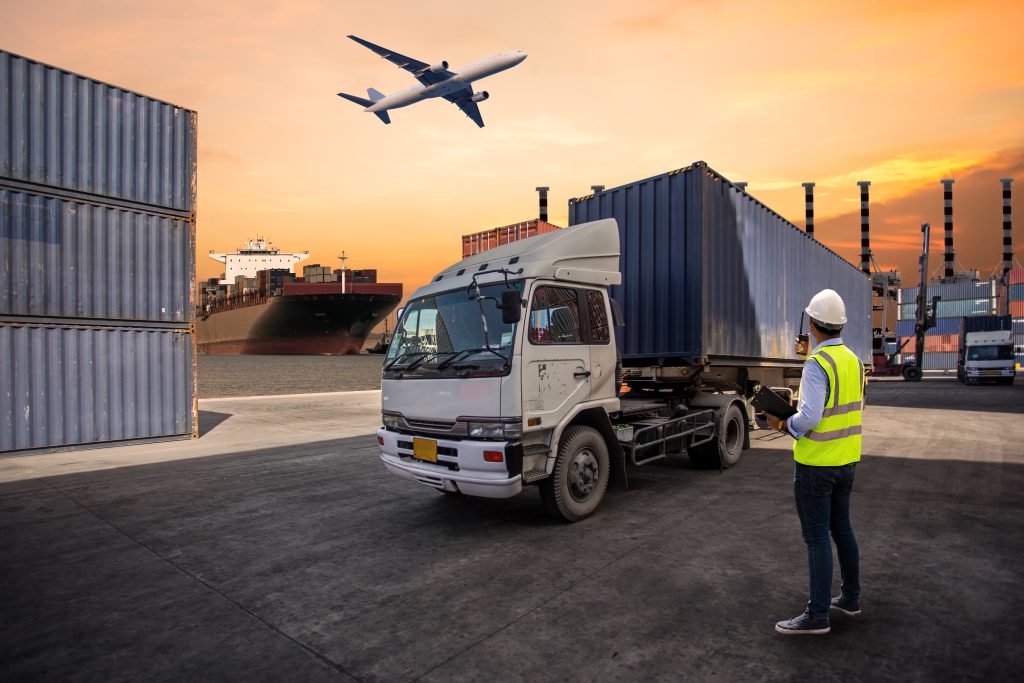
In the global logistics industry, compliance is a critical factor that directly affects the smooth movement of goods across borders. From customs regulations and trade policies to safety standards and documentation requirements, compliance rules are constantly evolving. These compliance changes are driven by shifts in international trade agreements, security concerns, sustainability initiatives, and government policies.
For businesses involved in logistics, freight forwarding, and international trade, keeping up with compliance changes is not optional. Failure to comply can lead to shipment delays, fines, cargo seizures, reputational damage, and even suspension of trading privileges. On the other hand, strong compliance practices help businesses operate efficiently, reduce risks, and build trust with partners and authorities.
This article explores key compliance changes in the logistics industry, their impact on global freight operations, and practical steps businesses can take to stay compliant. It also explains how working with an experienced logistics partner like World Lines can help organisations navigate regulatory changes with confidence.
Why Compliance Matters in Logistics
Logistics compliance ensures that goods are transported, declared, and delivered in accordance with applicable laws and regulations. These rules are designed to protect national security, public safety, the environment, and fair trade practices.
Effective compliance management helps businesses:
Avoid shipment delays and penalties
Ensure smooth customs clearance
Reduce operational and financial risks
Maintain strong relationships with authorities and partners
Support long-term business sustainability
As global trade becomes more complex, compliance is no longer just a back-office function—it is a strategic priority.
Key Compliance Changes Affecting the Logistics Industry
1. Evolving Customs Regulations
Customs authorities worldwide continue to strengthen enforcement and introduce new requirements to improve transparency and security. Key customs compliance changes include: Stricter document verification and data accuracy checks Increased use of electronic customs systems Higher penalties for misdeclaration and non-compliance Accurate tariff classification, customs valuation, and origin declaration are more important than ever.
2. Increased Focus on Trade Compliance and Sanctions
Governments are tightening controls on restricted goods, sanctioned countries, and prohibited entities. Logistics providers and shippers must ensure they do not violate trade sanctions or export control regulations. Implications for businesses: Greater need for screening customers, suppliers, and destinations Increased responsibility to verify cargo and end-use More documentation and audit requirements Non-compliance with trade sanctions can result in severe legal and financial consequences.
3. Dangerous Goods (DG) Compliance Updates
Transporting Dangerous Goods by sea, air, or land is subject to strict international regulations such as the IMDG Code, IATA DGR, and ADR. Recent compliance trends in DG logistics: More frequent checks on DG documentation accuracy Stricter enforcement of training requirements Increased scrutiny of lithium batteries and chemical cargo Keeping DG documentation accurate and up to date is essential to ensure safety and regulatory compliance.
Common Compliance Challenges for Businesses
Despite best efforts, many businesses face difficulties in managing compliance changes:
Keeping up with frequent regulatory updates
Interpreting complex international regulations
Ensuring consistency across documentation
Training staff on compliance requirements
Managing compliance across multiple countries
These challenges highlight the importance of expertise and proactive compliance management.
Practical Tips for Managing Compliance Changes
To stay competitive and resilient, businesses should consider the following practical tips:
1. Stay Informed on Regulatory Updates
Monitor changes in customs, trade, and transport regulations relevant to your operations. Regular updates help prevent unexpected issues.
2. Strengthen Documentation Accuracy
Ensure all shipping, customs, and regulatory documents are complete, accurate, and consistent.
3. Invest in Staff Training
Provide regular compliance and regulatory training for employees involved in logistics and shipping activities.
4. Leverage Digital Tools
Use digital systems to manage documentation, track shipments, and maintain compliance records.
5. Conduct Regular Compliance Reviews
Periodic audits help identify gaps and improve compliance processes before issues arise.
How World Lines Supports International Freight Management
At World Lines, we understand the complexities of international freight and the challenges businesses face in a rapidly evolving logistics environment. Our team provides customised solutions designed to support efficient, compliant, and reliable global shipping.
Our international freight services include:
- Sea freight, air freight, and multimodal solutions
- Customs clearance and documentation support
- Trade compliance and regulatory guidance
- Shipment tracking and visibility
- End-to-end supply chain coordination
With a strong global network and experienced professionals, World Lines helps businesses adapt to international freight trends with confidence.
Conclusion
Compliance changes are an ongoing reality in the logistics and global trade environment. As regulations evolve, businesses must adapt their processes, systems, and knowledge to remain compliant and competitive.
Understanding key compliance trends, addressing common challenges, and implementing best practices can help organisations reduce risks and maintain smooth supply chain operations. Working with a trusted logistics partner is one of the most effective ways to manage compliance in a complex regulatory landscape.