International Freight Trends
Home / International Freight Trends
Key International Freight Trends
Shaping Global Logistics
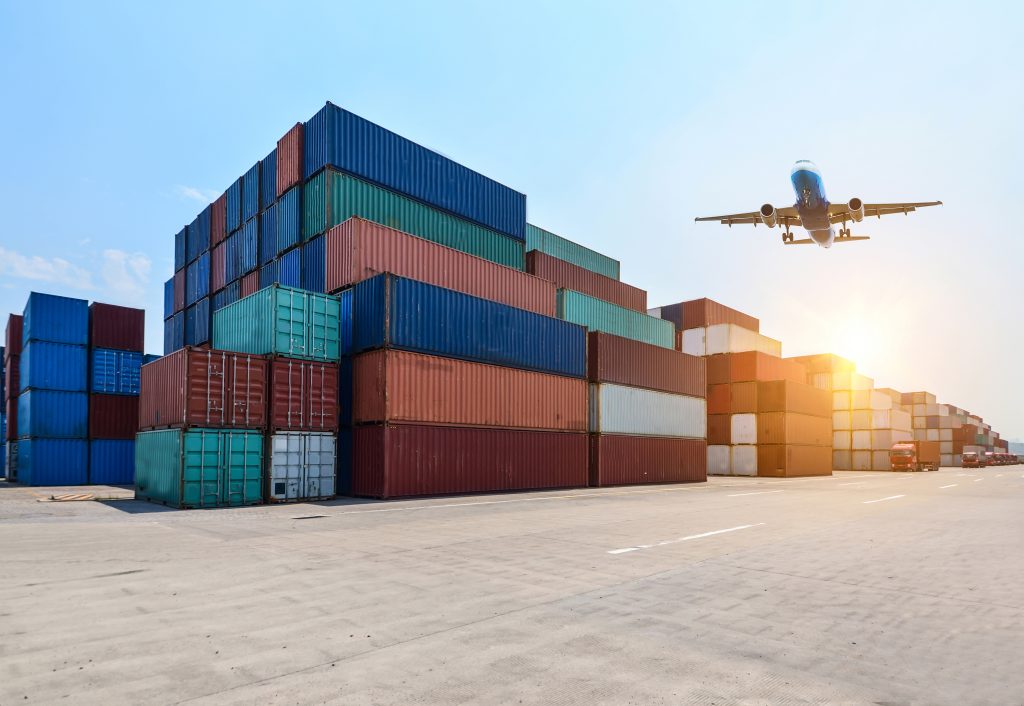
International freight is the backbone of global trade, enabling businesses to source materials, manufacture products, and reach customers across borders. As global markets evolve, the logistics industry continues to adapt to changing economic conditions, customer expectations, technological advancements, and regulatory requirements.
In recent years, international freight has experienced significant shifts driven by supply chain disruptions, digitalisation, sustainability goals, and changing trade patterns. For businesses involved in global shipping, staying informed about international freight trends is essential for maintaining efficiency, managing risks, and remaining competitive.
This article explores the key international freight trends shaping global logistics today, explains their impact on businesses, and shares practical tips on how companies can adapt. It also highlights how partnering with an experienced logistics provider like World Lines can help organisations navigate the evolving freight landscape with confidence.
Why Understanding International Freight Trends Matters
International freight trends influence transportation costs, transit times, service reliability, and supply chain strategies. Businesses that understand these trends are better positioned to:
Anticipate market changes and disruptions
Optimise freight costs and routing decisions
Improve supply chain resilience
Enhance customer service and delivery performance
Stay compliant with international regulations
With global trade becoming more complex, proactive awareness and strategic planning are critical.
Major International Freight Trends
1. Plan Ahead and Forecast Accurately
Effective logistics starts with proper planning. Accurate demand forecasting allows businesses to align inventory levels, transportation capacity, and production schedules. Best practices: Analyse historical sales and shipping data Account for seasonal demand and market trends Communicate forecasts clearly with suppliers and logistics partners Proactive planning reduces last-minute shipments, minimises disruptions, and helps control costs.
2. Choose the Right Mode of Transportation
Selecting the appropriate transport mode—sea freight, air freight, road transport, or a combination—can significantly impact cost and delivery timelines. Consider the following factors: Urgency of delivery Nature and value of goods Budget constraints Regulatory requirements For example, sea freight is cost-effective for bulk and non-urgent shipments, while air freight is suitable for time-sensitive or high-value cargo.
3. Optimise Packaging and Cargo Handling
Proper packaging protects goods during transit and ensures efficient use of space. Logistics tips for packaging: Use durable, fit-for-purpose packaging Avoid overpacking to reduce weight and volume costs Ensure labelling is clear and compliant with regulations Well-optimised packaging helps prevent damage, reduces shipping costs, and improves handling efficiency.
Practical Logistics Tips for Daily Operations
1. Continued Growth in Global Trade and E-commerce
Despite periodic economic uncertainty, global trade continues to expand, supported by cross-border e-commerce and growing consumer demand. Businesses are shipping smaller, more frequent consignments to meet faster delivery expectations. Impact on international freight: Increased demand for flexible shipping solutions Growth in both air freight for speed and sea freight for cost efficiency Higher expectations for shipment visibility and tracking Logistics providers must adapt to more dynamic shipping patterns and shorter lead times.
2. Supply Chain Diversification and Nearshoring
Many businesses are re-evaluating their supply chain strategies to reduce dependency on single sourcing locations. Nearshoring and multi-country sourcing are becoming more common. Key effects: More diverse trade lanes Increased regional freight movements Greater need for integrated logistics planning International freight strategies are shifting from cost-only considerations to resilience and risk management.
3. Rising Importance of Sea Freight Optimisation
Sea freight remains the most cost-effective option for international shipping, particularly for bulk and non-urgent cargo. However, congestion, capacity fluctuations, and schedule reliability continue to challenge shippers. Current sea freight trends include: Greater focus on advance planning and space booking Increased use of alternative ports and routes Demand for better carrier coordination and documentation accuracy Efficient sea freight management is essential for controlling costs and avoiding delays.
4. Air Freight Demand for Time-Sensitive Cargo
Air freight continues to play a crucial role for urgent, high-value, and time-critical shipments such as electronics, pharmaceuticals, and spare parts. Air freight trends: Increased use for supply chain disruption recovery Focus on reliability and transit time over cost Growing need for compliance with security and safety regulations Businesses must balance speed, cost, and sustainability when selecting air freight solutions.
5. Digitalisation and Smart Logistics
Technology is transforming international freight operations. Digital tools are improving efficiency, transparency, and decision-making across the supply chain. Key digital freight trends: Real-time shipment tracking and visibility Electronic documentation and data sharing Use of Transportation Management Systems (TMS) Data analytics for performance monitoring Digitalisation helps reduce errors, improve communication, and enhance overall freight control.
Practical Tips for Adapting to International Freight Trends
To stay competitive and resilient, businesses should consider the following practical tips:
1. Plan Shipments Early
Advance planning helps secure capacity, optimise routes, and reduce costs—especially for sea freight.
2. Diversify Transportation Options
Use a mix of sea, air, and land transport to balance cost, speed, and reliability.
3. Improve Shipment Visibility
Invest in tracking and digital tools to monitor cargo movement and respond quickly to disruptions.
4. Strengthen Documentation
Accuracy Ensure all shipping and customs documents are complete, accurate, and consistent to avoid delays.
How World Lines Supports International Freight Management
At World Lines, we understand the complexities of international freight and the challenges businesses face in a rapidly evolving logistics environment. Our team provides customised solutions designed to support efficient, compliant, and reliable global shipping.
Our international freight services include:
- Sea freight, air freight, and multimodal solutions
- Customs clearance and documentation support
- Trade compliance and regulatory guidance
- Shipment tracking and visibility
- End-to-end supply chain coordination
With a strong global network and experienced professionals, World Lines helps businesses adapt to international freight trends with confidence.
Conclusion
International freight trends continue to shape how goods move across borders. From digitalisation and sustainability to supply chain diversification and regulatory complexity, these trends present both challenges and opportunities for businesses.
By understanding market developments and implementing practical strategies, companies can build more resilient, efficient, and future-ready supply chains. Staying informed and working with trusted logistics partners is key to long-term success.